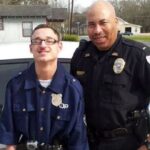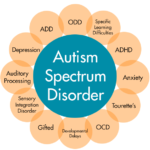

Encounters between autistic individuals and law enforcement are often shaped not by malice or criminal intent, but by misunderstanding. Too many stories have ended in trauma, unnecessary escalation, and in the worst cases, death. At The Autistic Educator, we believe it is critical to examine how systemic failures—rooted in ableism and lack of training—contribute to these outcomes, and what must change to ensure safety and dignity for all.
Misunderstood Behaviors, Dangerous Outcomes
Autistic individuals may communicate, move, or respond to stress in ways that are unfamiliar to police officers trained to interpret noncompliance, flight, or silence as signs of danger. For example:
- Avoiding eye contact may be read as suspicious.
- Stimming (rocking, flapping, pacing) may be interpreted as erratic or threatening.
- Delayed verbal responses or shutdowns may be perceived as noncompliance.
In a high-stakes, high-adrenaline situation, these misreadings can escalate quickly. Neurodivergent behavior is not a threat. But without adequate training and cultural shift, law enforcement may respond as if it is.
The Problem Isn’t Individual Officers
While officer training is important, the problem is larger than individual ignorance. Policing in many countries is built on systems of compliance that can disproportionately harm marginalized communities—including disabled, BIPOC, and mentally ill individuals. Autism, especially when intersecting with race or gender nonconformity, often leads to increased risk during police encounters.
What Needs to Change
1. Comprehensive Training
- Officers should be trained by neurodivergent educators on autism, sensory processing, and communication.
- Training must include scenario-based practice and be repeated regularly.
2. Alternatives to Police Response
- Establish crisis intervention teams with clinicians and neurodivergent advocates.
- Fund community-based mental health and peer support instead of relying on law enforcement for non-criminal situations.
3. Community Empowerment
- Teach autistic youth and adults their rights in plain language.
- Support self-advocacy groups working to influence local and national policy.
4. Media Accountability
- Stop portraying autistic people as inherently violent or unpredictable.
- Uplift stories that show autistic agency, resilience, and the impact of systemic injustice.
We Must Do Better
No one should fear for their safety because they communicate or behave differently. Autism is not a threat. But police systems that do not understand autism or worse, that treat difference as defiance pose a threat to autistic lives.
At The Autistic Educator, we advocate for a future where public safety means care, connection, and community—not criminalization. Change will take all of us: educators, policymakers, police, families, and most importantly, autistic voices leading the conversation.
If you are autistic or neurodivergent and have had an encounter with law enforcement—positive or negative—we invite you to share your story (anonymously or openly) as part of our advocacy archive.