For too long, autistic adults have navigated a mental health care system that isn’t built with them in mind. Despite increased awareness of autism, services still often fall short either through misdiagnosis, sensory-inaccessible environments, or support that fails to account for the autistic experience.
It’s time to change that.
The Overlooked Reality
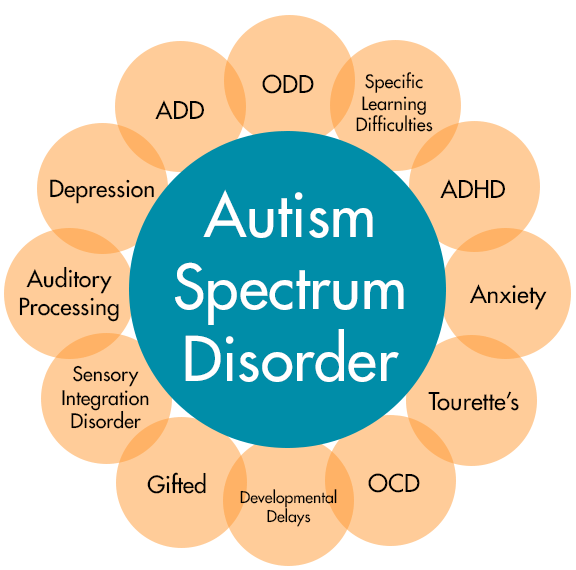
Autistic adults are disproportionately affected by mental health conditions such as anxiety, depression, PTSD, and obsessive-compulsive disorder. However, the pathway to receiving effective care is often obstructed by:
- Clinicians lacking training in adult autism, especially in those without intellectual disability.
- Diagnostic overshadowing, where autism masks or is mistaken for mental illness (or vice versa).
- Inaccessible environments, including bright lights, loud waiting rooms, and rigid communication norms.
- Interventions built for neurotypicals, which often fail to resonate with autistic lived experiences.
What Meaningful Care Looks Like
Improving mental health care for autistic adults requires more than inclusion — it demands intentional design. Here’s what that could look like:
1. Training Clinicians in Neurodiversity-Affirming Practices
Mental health professionals must be educated not only in autism as a diagnosis but also in the diversity of autistic expression. This means understanding sensory needs, communication differences, alexithymia, and masking, and unlearning harmful deficit-based models.
2. Building Trust Through Authenticity
Autistic clients often thrive when therapists are consistent, clear, and genuine. Developing a trusting relationship may look different, but it’s no less vital. Respect for autonomy and directness can go a long way in fostering therapeutic safety.
3. Adapting Evidence-Based Therapies
While therapies like CBT or EMDR can be helpful, they must be adapted to honor autistic processing styles. This may involve pacing, visual supports, clarifying metaphors, or bypassing social norms that create anxiety.
4. Designing Sensory-Safe Spaces
From the office setup to intake forms, consider sensory-friendly and low-demand modifications. Even offering virtual appointments with camera-off options can dramatically reduce barriers.
5. Centering Autistic Voices
Autistic adults are experts in their own experience. Whether through peer support, advisory boards, or co-produced services, their insights must guide systemic reform.
Advocacy Matters
Improving mental health care isn’t just a clinical issue, it’s a social justice one. Advocacy for accessible, affirming, and equitable care is essential at every level: policy, practice, and culture.
We need to recognize that autistic adults don’t need to be “fixed”, they need to be seen, heard, and supported in ways that respect who they are.